
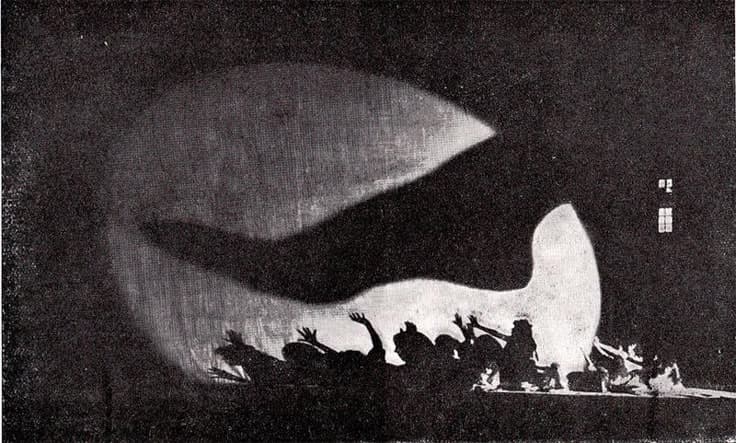
In today's world, information is not just a resource—it is a tool of immense power. Mass media, often regarded as the fourth pillar of democracy, plays a defining role in shaping public opinion and influencing societal discourse. It has the potential to either inform and empower citizens or manipulate narratives to serve vested interests. Ideally, a resource so important should be publicly owned, since information is a shared resource. Pigouvian economists, named after British economist Arthur Pigou, advocate for state intervention in markets where private interests conflict with public welfare. They argue that media should be publicly owned to prevent profit motives from overshadowing the public good. If left to private ownership, media outlets may prioritize financial gains over their responsibility to inform citizens.
But what happens when media is privately owned, especially in countries like India, where major media outlets are controlled by a handful of millionaires? From Adani's recent acquisition of NDTV, to Mukesh Ambani's ownership of the Network18 group, the power of popular narrative is concentrated in the hands of a few. In such cases, media organizations often serve elite interests rather than holding the powerful accountable. Instead of acting as an independent watchdog, privately owned media can become a financial tool for corporate and political agendas.
This dynamic closely mirrors the arguments in Noam Chomsky and Edward S. Herman's Manufacturing Consent, which highlights how mass media functions as a system of propaganda serving corporate and political powers in capitalist democracies. Their Propaganda Model explains how structural factors influence media content, favoring elite interests while marginalising dissent.
The Filters of Media Control
Ownership: The Heart of the Problem
This practice of ownership also shifts the media's focus from serving the public interest to prioritizing profitability—media outlets are under constant pressure from stockholders to maximize Target Rating Points (TRPs), which drives content decisions. As a result, news is often shaped by what is financially profitable, rather than what is informative or beneficial to the public. Additionally, the corporate control of these media houses allows wealthy business owners to push their own narratives and political agendas. Many of these media magnates have ties to specific political parties, which further influences the direction of media coverage. Ultimately, this filter of corporate and political influence shapes the information that reaches the public, aligning it with the interests of the elite, and reinforcing profit-driven priorities.
The Role of Advertisers
In a commercial media system, advertisements are the primary source of revenue. Therefore, it becomes important for the media firms to become appealing to the advertisement companies. Advertising makes businesses economically viable—with no advertising, the publishing cost is higher. Therefore, the media shifts from the consumer's choice to the advertiser's choice. This is the second filter of the Propaganda Model.
This dynamic also influences the ideological landscape of media consumption. Advertisers target specific audiences, and media channels, in turn, tailor their content to attract brands with similar ideological leanings. Consequently, viewers are exposed to news and advertisements that reinforce their existing beliefs, leading to the formation of echo chambers. Instead of diverse perspectives, audiences receive a curated flow of information that aligns with commercial and political interests, further narrowing the scope of public discourse.
Sources of News: The Insider Bias
The next filter is source, referring to where journalists get their information from. Large bureaucracies, like government agencies and corporate PR teams, often supply journalists with prepackaged news—such as press releases, briefings, and official statements—making it easier and more cost-effective for media outlets to produce content. This dependence on powerful institutions means these entities become routine sources, regularly cited in news reports. Independent or dissenting voices, lacking institutional support or being harder to verify, often struggle to gain access and are frequently overlooked.
Moreover, the government agencies use taxpayer funds to create and distribute news in ways that benefit elite interests, meaning taxpayers inadvertently finance media narratives that serve powerful groups. Journalists, relying on these sources for daily reporting, may hesitate to challenge them. Criticizing a government agency or corporation too harshly could result in losing access to valuable information, blacklisting, or legal and financial repercussions. To maintain these critical relationships, media outlets often engage in self-censorship, avoiding or downplaying stories that could upset powerful figures—even when they know the information might be misleading or false.
Flak: The Price of Criticism
The fourth filter is flak, i.e. the organized campaigns of criticism aimed at media outlets for producing content that challenges powerful interests. When these campaigns come from well-resourced groups—like corporations or political entities—they can harm a media organization's credibility and finances. Advertisers might pull support or public backlash might harm the reputation of the outlet, making it more difficult to operate. To avoid these consequences, media houses may choose to avoid content that offends influential groups, prioritizing their financial stability over journalistic integrity. As a result, critical, independent voices are suppressed, and media organizations align their content with elite interests, weakening their role in holding power accountable.
Ideological Fear: The Enemy Within
The filter of ideological fear plays a significant role in shaping media narratives by framing certain ideologies as existential threats while portraying others as acceptable or even necessary. In the West, communism has historically been depicted as the ultimate enemy, especially during the Cold War, where it was presented as a dire threat to democracy and freedom. This narrative has been perpetuated by the media, which often equates any left-wing, anti-capitalist rhetoric with communism, even when the policies in question do not align with traditional communist ideas. As a result, the media creates a false binary, casting ideologies as either good, such as capitalism and democracy or bad, like communism and radicalism.
However, this filter is not as clear-cut as it may seem. In some cases, ideologies like fascism, once universally condemned, are reframed as a 'lesser evil'. This shift often occurs when the media, influenced by political and corporate interests, seeks to protect the status quo or suppress progressive movements. The consequence is that the media serves as an unreliable narrator, simplifying complex political ideologies into black-and-white terms and limiting the public's ability to engage with nuanced debates. This ideological fear, therefore, distorts the public's understanding of political ideologies and undermines the 's role in promoting democratic discourse.
The Need for Media Regulation
The influence of media ownership on public perception is undeniable. As corporate and political interests tighten their grip on news organizations, the urgent need for regulation has never been clearer. To counteract the distortions caused by unchecked media control, a systematic approach is required—both in the short and long term.
Ban Political and Corporate Control Over Media
Political parties and corporate conglomerates should be barred from owning media houses to prevent biased reporting. Even indirect control—through subsidiaries or financial agreements—should be restricted.
Increase Transparency in Media Ownership
Media companies must disclose their ownership structure, funding sources, and affiliations to the public. All financial agreements, including advertising deals, private treaties, and cross-ownership, must be publicly available to ensure accountability.
Strict Regulation of Paid News and Advertorials
Advertorials, or sponsored content, should be clearly labeled in bold letters to prevent disguised propaganda. Both politicians and media houses should be held liable if news coverage is bought or influenced through financial means.
Independent Media Regulator
A non-governmental regulatory body should oversee media ownership, ethics, and corporate influence. This regulator must be composed of journalists, legal experts, and independent watchdog organizations—not government appointees.
Stronger Editorial Independence
Newsrooms must have firewalls against owner interference, ensuring that journalists can report freely without external pressures. Any attempt by corporate or political owners to influence editorial decisions should be penalized.
A Comprehensive Media Commission
A Media Commission, headed by a retired Supreme Court judge, should conduct a full investigation into media ownership patterns and their impact on public discourse. This body must set strict ownership caps, preventing monopolisation of news sources by a handful of powerful entities.
Without intervention, the media will continue to serve a handful of elites rather than the public interest. Implementing strict ownership regulations, ensuring transparency, and establishing independent oversight are necessary steps to free journalism from the shadows of power. The battle against media control is, ultimately, a fight for truth itself.
